
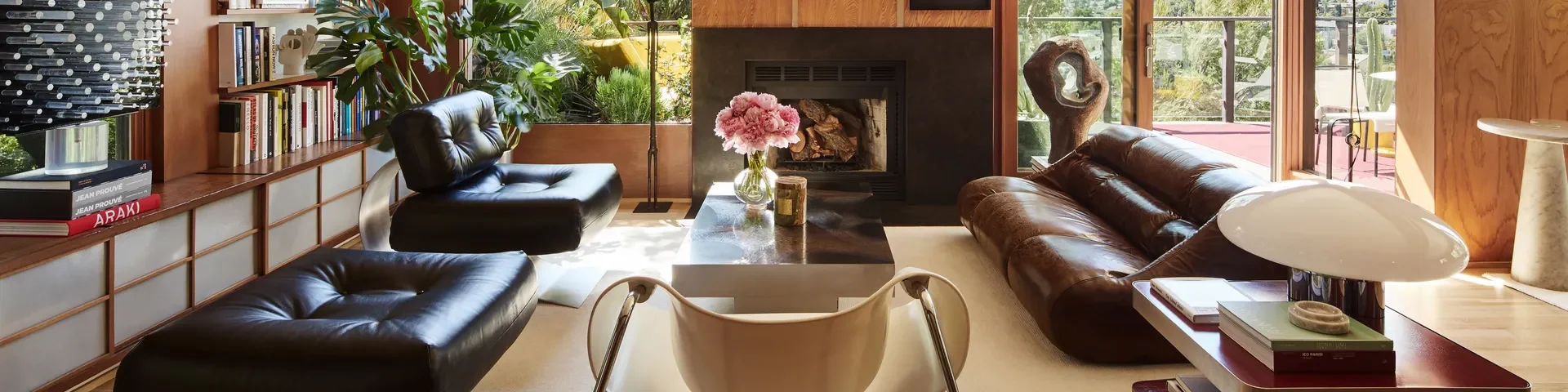
You step into the home of a friend, and you suddenly feel as if you’re on the stage of a sitcom classic. The sofa is blue, the kitchen is glistening in chrome, and even a record player is playing Elvis.
This is the beauty of 1950s interior design: bold, fun, and alive. If you’ve always wanted your space to be the inside of a vintage artifact (without the smell of musty), then you’re in the right spot. Let’s discuss how to bring that retro feel into your home, even if you don’t have a single dog skirt.
The reason the 1950s Interior Design Still Feels Fresh
The part that no one tells you: 1950s style in interior design isn’t only about nostalgia. It’s about a sense of optimism. After decades of war and rationing, people were looking for color, comfort, and a sense of enjoyment. This is why you will see many vibrant colors along with curvy furniture and fun designs. If your house is slightly boring and serious, this design will change things up.
Who is the ideal candidate to try 1950s interior Design?
If you’re a fan of color, aren’t scared of the oddity of kitsch, and want your house to be warm and inviting, 1950s-style interiors are perfect for you. If you’re a minimalist or don’t like the idea of mixing and matching patterns, then you may prefer to take some elements instead of putting everything in. There’s no right or wrong method to follow, just your own way.
The main components of 1950s interior design
Let’s get specific. What is it that makes a space look like it was from the 1950s? Here are the key elements:
The palette of colors is vibrant: Think mint green and bubblegum pink. Also, think butter yellow and robin’s egg blue. These colors appear everywhere, from the walls to kitchen appliances.
The patterns are Atomic: Boomerangs, starbursts, and abstract shapes pop all over everything from dinnerware to curtains.
Chrome as well as Formica: Kitchens gleam with chrome-edged tables as well as Formica countertops. It’s glossy and easy to clean and has a retro vibe.
Furniture with curves: The chairs and sofas are rounded with legs that are splayed. It’s all about comfort and design.
Floor plans that are open: The 1950s saw the rise of the “family room,” in which everyone could gather to socialize.
The reason these particulars matter is that these details create a space that feels alive and live-in and not formal or stiff.
How to Update Your Home with 1950s Interior Design
You don’t require a time machine or a massive budget. Begin small and work your way up. Here’s how:
1. Begin With Color
Paint is the best companion. You can try a pastel accent wall or a striking front door. If you’re unsure, begin with accessories, such as turquoise vases and throwing pillows in yellow. The idea is to make your space feel light and comfortable, not overwhelming.
2. Look for Old-fashioned Finds
Flea markets, thrift stores, and online markets are treasure troves for interior design treasures from the 1950s. Find furniture with kidney shapes, starburst-shaped clocks, or vintage lamps. Don’t be concerned if they’re a tiny bit shabby–it’s part of the charm.
3. Mixing Old and New
There’s a secret to this: you don’t have to reside in an art gallery. Combine a classic sofa with a contemporary rug or hang curtains with atomic patterns in an elegant kitchen. The contrast is what keeps things fascinating and personal.
4. Include fun patterns
Don’t be scared of patterns. Consider a tablecloth with a boomerang print or polka dot cushions. If you’re looking for something bold, you can choose a patterned wallpaper in the bathroom or hallway. It’s a simple way to make an impact.
5. Accept Chrome and Formica
If you can locate an elegant dining set with chrome legs, then grab it. If not, you can add chrome hardware to your cabinets or add a Formica countertop. Even a chrome-plated breadbox or a toaster could give your kitchen a retro look.
6. Light It Up
The lighting in 1950s interior design is focused on drama. You can find sputnik chandeliers, floor lamps with tripods, or bright pendant lighting. The right lighting fixture can transform the entire atmosphere of a room.
Common Errors (And how to avoid them)
Let’s face it: It’s easy to get carried away. Here are some pitfalls to be aware of:
Too many kitsch items: A few quirky pieces can be fun. If you have too many, your house starts to resemble a restaurant.
Do not ignore comfort: Some vintage furniture is beautiful, but it’s uncomfortable. Make sure you test the furniture before purchasing.
Function for forgetting: 1950s interior design is fun, but also practical. Be sure that your space is functional for you in your daily life.
If you’ve ever shopped for chairs that looked stunning but caused back pain, you’ve experienced the discomfort. Make a note of my mistake. Make sure you sit before you make a decision.
Interior Design, Room by Room, 1950s
Living Space
Choose a sofa with a low-slung design, a vibrant color, a kidney-shaped coffee table, and a beautiful starburst clock. Include a shag rug to add an extra layer of texture if you have the space to set up a record player and display your favourite albums.
Kitchen
Paint cabinets in pastel colors. Add chrome hardware and showcase old canisters. A vintage dinette set with vinyl chairs is an ultimate dream, but even a few vibrant accessories can create a mood.
Bedroom
Make sure you have a striking bedspread or a curved headboard and a pair of lamps. Display vintage photos as well as family photographs in playful frames. Keep it warm and personal.
Where can I find 50s Interior Design Inspiration?
Looking for inspiration? Take a look at classic sitcoms like “I Love Lucy” or “Leave It to Beaver.” Explore Pinterest or Instagram for examples from the real world. Visit antique stores in your area and inquire about the history behind the items. Sometimes, the most valuable objects are those that have a little historical background.
Conclusion: Make It Your Own
The truth is that 1950s interior design doesn’t mean taking inspiration from an interior design spread from a magazine. It’s about creating an environment that is warm, inviting, and perhaps a little adventurous. Blend, combine, play, and don’t be scared to fail. The most effective rooms tell your story, retro atmospheres, and everything else.